Source uv protection polyester sport visor for Running, Cycling, Fishing
Explore 30 listings for uv protection polyester sport visor options suitable for running, cycling, and fishing. Buyers can compare features like moisture wicking, adjustable sizing, and customization availability across multiple suppliers in Zhejiang.
Key considerations
Products List




Comprehensive Sourcing Guide
UV Protection Polyester Sport Visor Sourcing Guide
Sourcing UV protection polyester sport visors requires a clear understanding of the specific material blends and functional attributes that define this category. The observed product data indicates a strong prevalence of polyester and cotton blends, such as Polyester/Cotton, which offer a balance of durability and breathability essential for athletic performance. Buyers must verify that the specific visor model selected explicitly states UV protection capabilities, as this is a critical performance metric for outdoor sports like running, cycling, and fishing. The presence of "Uv Protection Sun Hat" as a listed function confirms that this feature is a standard expectation in the market, but it must be confirmed on a per-item basis rather than assumed for all polyester caps.
Commercial viability for this product line is heavily influenced by customization options and minimum order quantities (MOQs) that vary significantly across suppliers. The data reveals a wide MOQ range from 50 pieces to 1,000 pieces, suggesting that buyers can find partners suitable for both small-scale testing and large-volume distribution. Customization is widely available, with options for logos, specific printing methods like sublimation or embroidery, and tailored colors ranging from solid hues to multicolor designs. Procurement strategies should align with these variable thresholds, ensuring that the chosen supplier can accommodate the specific volume requirements while delivering the desired aesthetic and functional specifications.
Product Scope and Observed Listing Signals
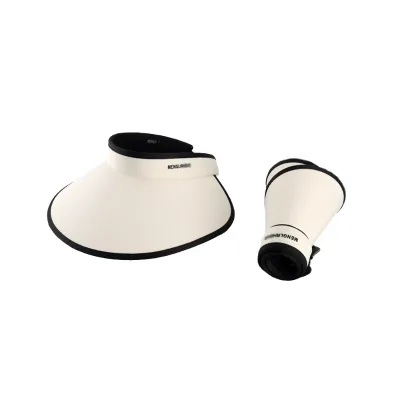
The product scope for UV protection polyester sport visors encompasses a diverse array of styles and functional features designed for various outdoor activities. Listings frequently highlight attributes such as "Lightweight," "Breathable," and "Moisture Wicking," which are essential for maintaining comfort during high-intensity activities like running or cycling. The observed data also points to specific design elements like "Curved" brims and "With Crown" structures, alongside "Foldable" options that enhance portability. These signals indicate that the market offers solutions for both performance-driven athletes and casual users who require sun protection for daily use or travel.
Color and pattern variations are extensive, with suppliers offering options in Yellow, White, Red, Purple, Orange, Green, Gray, and Multicolor configurations. The "Checked" and "Fashion" styles suggest that these visors are not limited to purely utilitarian designs but also serve as fashion accessories. Buyers should note that while "100% Cotton" is listed as a material in some entries, the core keyword focus on polyester implies a need to distinguish between pure cotton, pure polyester, and blended options. The presence of "Eco-Friendly" and "Antimicrobial" features in the data further expands the scope, indicating that sustainability and hygiene are becoming key differentiators in product listings.
Technical Specifications to Verify
When evaluating technical specifications, the material composition is the primary factor determining the visor's performance and longevity. Buyers must confirm whether the product is made from 100% Polyester, 100% Cotton, or a Polyester/Cotton blend, as each offers distinct advantages regarding moisture management and structural integrity. The "Polyester/Cotton" blend observed in the data is particularly relevant for sport visors, as it combines the durability of synthetic fibers with the comfort of natural fibers. Verification of the specific fabric weight and weave density is necessary to ensure the material provides adequate UV blocking without compromising breathability.
Construction details such as the brim shape, crown type, and printing techniques are equally critical for quality assurance. The data lists "Curved" brims and "With Crown" as standard features, but buyers should verify if the brim is rigid or flexible based on the intended use. Technical verification should also include the specific printing methods available, such as Silk Screen Printing, Heat-Transfer Printing, or 3D Embroidery, to ensure the logo or design will withstand repeated washing and exposure to sunlight. Additionally, checking the single package size and gross weight, which are listed as 26x19x16 cm and 0.2 kg respectively, helps in calculating accurate shipping costs and storage requirements.
Compliance and Safety Documentation
Compliance and safety documentation for sport visors primarily focus on material safety and the validity of UV protection claims. While specific certification statuses like ISO9001 or BSCI are mentioned in background data, buyers should not assume these apply to every listing without direct verification from the supplier. Instead, the procurement process must include a request for test reports that validate the UPF (Ultraviolet Protection Factor) rating of the polyester fabric. This documentation is essential to substantiate the "Uv Protection" claim and ensure the product meets the safety expectations of the target market.
Safety standards also extend to the chemical composition of the dyes and printing inks used on the visors. Given the "Eco-Friendly" feature observed in some listings, buyers should inquire about compliance with regional regulations regarding hazardous substances, such as REACH in Europe or CPSIA in the United States. The "Antimicrobial" feature listed in the product attributes requires specific testing data to confirm efficacy, as this claim cannot be made without supporting laboratory results. Ensuring that the supplier can provide these safety documents is a prerequisite for importing these goods into regulated markets.
Cost Drivers and Commercial Terms
Cost drivers for UV protection polyester sport visors are significantly influenced by the complexity of customization and the chosen material blend. Products featuring advanced printing techniques like "3D embroidery" or "Luminous Print" typically command higher prices than those with simple "Silk Screen Printing" or "None" printing options. The material composition also plays a role, with "100% Cotton" or specialized blends potentially costing more than standard polyester. Buyers must weigh these material and design costs against the required order volume, as the observed MOQ range of 50 to 1,000 pieces allows for flexibility in managing initial capital outlay.
Commercial terms regarding lead times and sample availability are critical for supply chain planning. The data indicates a sample time of 5-7 days, which is a standard benchmark for customizing visors with logos or specific colors. However, bulk production lead times are not explicitly provided in the observed facts, necessitating direct negotiation with suppliers to establish realistic delivery schedules. Payment terms and shipping costs, which are affected by the single gross weight of 0.2 kg and package dimensions, should be factored into the total landed cost. Buyers should also consider the "Selling Units" as single items, which simplifies inventory management but may impact bulk shipping efficiency.
Supplier Qualification and Quality Control
Supplier qualification for this product category requires a thorough assessment of their manufacturing capabilities and quality control processes. The observed data highlights "Zhejiang" and "Zhejiang, China" as the primary places of origin, indicating a concentration of suppliers in this region. Buyers should verify the supplier's capacity to handle the specific "Technics" listed, such as "Maching embroidery" or "Hand Embroidery," to ensure they can meet the desired quality standards. A robust quality control system should be in place to inspect the finished visors for defects in stitching, printing alignment, and material consistency before shipment.
Quality control checks should also focus on the durability of the visor's functional features. Since the products are marketed for "Outdoor Running," "Cycling," and "Fishing," they must withstand exposure to sweat, water, and sunlight. Buyers should request samples to test the "Water Resistant" and "Moisture Wicking" claims, ensuring the fabric performs as advertised under real-world conditions. Additionally, verifying the "Adjustable" nature of the visor and the integrity of the closure mechanism is essential for user comfort. Establishing a clear communication channel with the supplier for addressing any quality issues is a vital component of the qualification process.
Long-Term Procurement Checks
Long-term procurement checks involve monitoring the consistency of product quality and the reliability of the supply chain over time. Buyers should implement a system for periodic re-inspection of samples from new production batches to ensure that the "UV Protection" and "Breathable" attributes remain consistent. As the market evolves, suppliers may introduce new materials or printing methods, and it is crucial to verify that these changes do not compromise the core functionality of the visor. Maintaining a relationship with the supplier that allows for continuous feedback and improvement is key to sustaining a high-quality product line.
Strategic planning for long-term procurement also includes evaluating the supplier's ability to adapt to changing market demands and seasonal trends. The observed data lists seasons such as "Winter," "Summer," "Spring / Autumn," and "Spring Summer Autumn," indicating that these visors are versatile but may have peak demand periods. Buyers should assess the supplier's capacity to scale production during high-demand seasons and their ability to manage inventory during slower periods. Regular reviews of the supplier's performance against agreed-upon metrics, such as on-time delivery and defect rates, will help ensure a stable and efficient procurement relationship.
FAQs
What materials are used for these visors?
The visors are primarily made from polyester and cotton blends, with some options available in 100% cotton. These materials ensure durability and comfort for daily use. The fabric choices support various printing techniques, including silk screen and embroidery, allowing for customized branding while maintaining breathability and lightweight properties suitable for outdoor activities.
Can I customize the visor with my logo?
Yes, customization is available for these visors. You can add your logo using methods such as silk screen printing, heat-transfer printing, or various embroidery styles including 3D and sequin embroidery. The product supports custom designs, making it suitable for promotional purposes or branded apparel. This flexibility allows businesses to create unique, eye-catching headwear for their teams or events.
What is the minimum order quantity for these items?
The minimum order quantity varies by supplier, ranging from 50 pieces to 1000 pieces. Some listings indicate an MOQ of 50 pcs, while others require 1000 PCS. Buyers should check specific supplier requirements before placing orders. This range accommodates both small trial orders and larger bulk purchases, providing flexibility for different business scales and inventory needs.
Are these visors suitable for summer use?
Yes, these visors are designed for summer, spring, and autumn seasons. They feature UV protection and are often described as breathable and lightweight, making them ideal for hot weather. The open crown design allows for ventilation, while the brim provides shade. This makes them practical for outdoor sports, running, cycling, and daily casual wear during warmer months.
What printing methods are supported for branding?
Multiple printing methods are supported, including sublimation transfer print, digital printing, embossed, raised rubber print, puff printing, and discharge printing. Additionally, luminous print options are available. These methods allow for high-quality, durable branding on the visor surface. Buyers can choose the technique that best fits their design requirements and budget, ensuring professional-looking customized products.
Where are these visors manufactured?
These visors are manufactured in Zhejiang, China. The production location is specified as Zhejiang Province, which is a known hub for textile and apparel manufacturing. Buyers sourcing from this region can expect established supply chains and production capabilities. The origin information helps in assessing logistics, lead times, and potential shipping costs for international orders.